


- International Child Protection Certificates
-

 3 min read





If you are applying for an overseas role involving children, you may be asked to obtain an International Child Protection Certificate (ICPC). One of the most common questions applicants have is how long the certificate takes to process.
Understanding the typical ICPC processing time can help you plan around job offers, visa applications and employer deadlines.
How Long Does an ICPC Take?
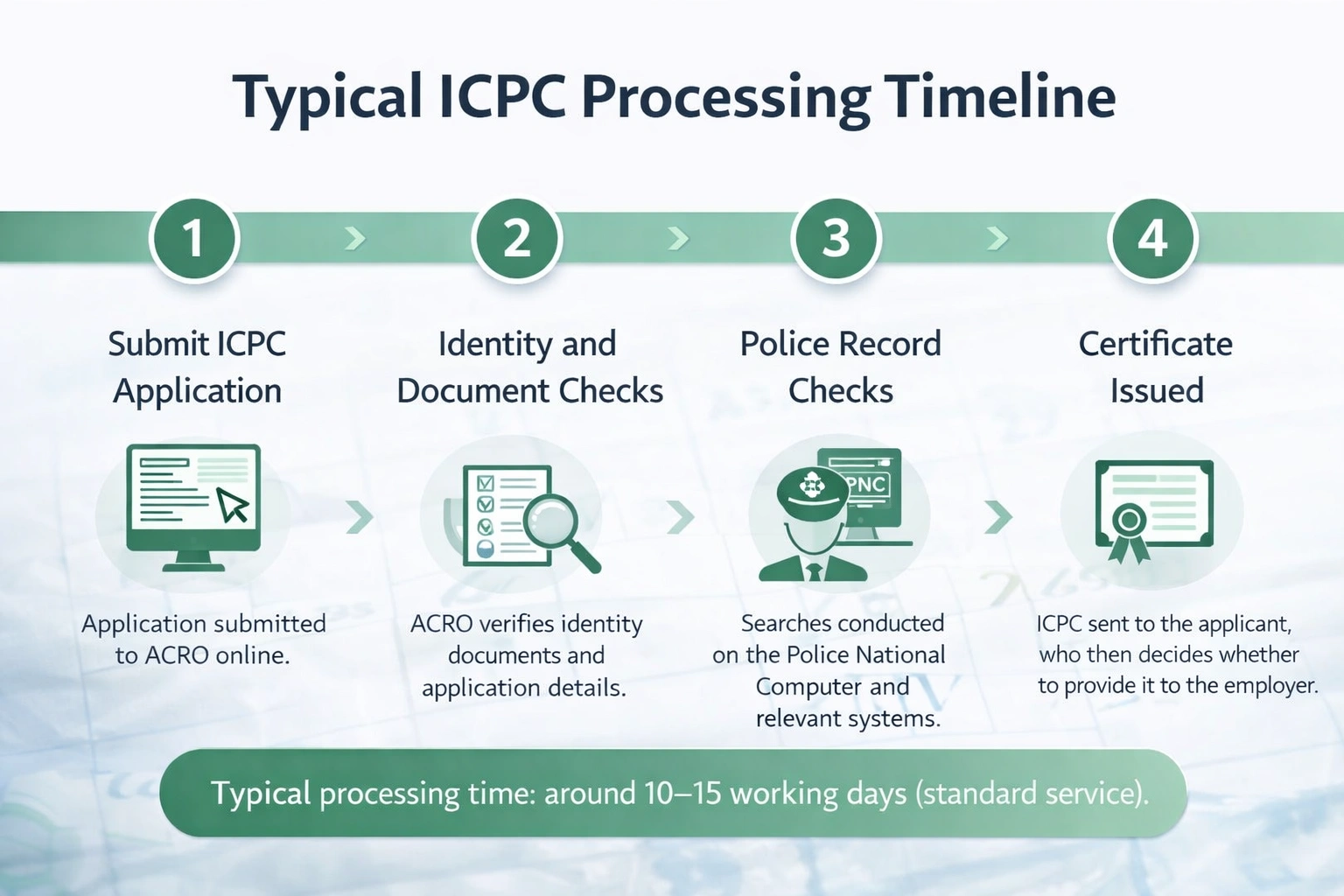
In most cases, ICPC applications are processed within 10 to 15 working days from the point at which the application is received and accepted by ACRO.
However, this timeframe can vary depending on several factors, including identity verification, application errors, or additional checks that may need to be carried out.
Standard ICPC Processing Times
ACRO generally offers two processing options:
- Standard service: around 10 working days
- Premium service: typically 2 working days
These timeframes begin once the application has been accepted and all required documentation has been provided.
Why ICPC Applications Can Be Delayed
While most certificates are issued within the stated timeframe, delays can occur for several reasons:
- Identity documents requiring verification
- Incomplete applications
- Additional checks against police systems
- Complex police record information
Where a criminal record, caution or other police information exists, additional review may be required before the certificate is issued.
What If Your ICPC Contains Police Information?
If your ICPC includes cautions, convictions or other police information, this may affect an overseas job offer. However, the certificate is issued to the applicant first, meaning you have an opportunity to review the contents before deciding how to proceed.
Depending on the circumstances, options may include challenging the disclosure decision or applying to delete certain records from police systems.
You can learn more about non-conviction information on ICPC certificates and how disclosure decisions are made.
Should You Apply for an ICPC Early?
In most cases it is sensible to apply for an ICPC as soon as an employer requests it, particularly if your employment start date depends on the certificate being issued.
If you believe police information may appear on the certificate, it may be worth seeking advice before applying so you understand the potential impact.
How Legisia Can Help
Legisia assists clients concerned about police records appearing on International Child Protection Certificates.
- Advice on ICPC disclosure risks
- Applications to delete police cautions
- Challenges to discretionary disclosure
- Strategic advice where employment may be affected
If your ICPC may affect an overseas job offer, seeking advice early can help you understand the options available.
Concerned about what may appear on your ICPC?
If your International Child Protection Certificate could affect an overseas job offer, it may be sensible to take advice before submitting the certificate to an employer.
Legisia advises clients on police caution deletion, challenging ICPC disclosure, and addressing police records that may appear on safeguarding checks.
Frequently Asked Questions
How long does an ICPC take?
Most ICPC applications are processed within around 10 working days, although premium services may be faster.
Can an ICPC take longer than 10 days?
Yes. Delays can occur where additional checks are required or if the application contains incomplete information.
Can I speed up an ICPC application?
ACRO offers premium processing which may reduce the processing time where available.
Will a criminal record delay my ICPC?
Not necessarily, but additional checks may sometimes be required where police records exist.
Share this Post, Choose your platform!

Matt is a Solicitor Advocate and Director of Legisia Legal Services. He specialises exclusively in police record deletion, DBS appeals, and regulatory defence. With over 20 years of experience, he has advised hundreds of professionals and individuals on high-stakes matters affecting careers, reputations, and legal standing. His work focuses on challenging unlawful data retention, safeguarding thresholds, and procedural breaches across UK policing and disclosure systems.
Matt is a Solicitor Advocate and Director of Legisia Legal Services. He specialises exclusively in police record deletion, DBS appeals, and regulatory defence. With over 20 years of experience, he has advised hundreds of professionals and individuals on high-stakes matters affecting careers, reputations, and legal standing. His work focuses on challenging unlawful data retention, safeguarding thresholds, and procedural breaches across UK policing and disclosure systems.
Disclosure & DBS: the complete CPD course for professionals
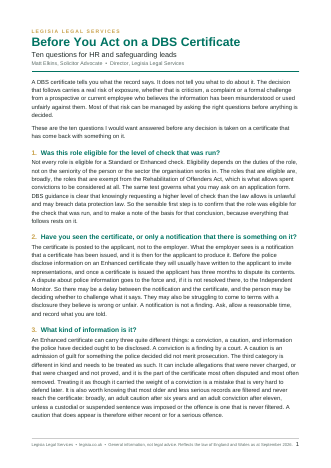
Written by a solicitor who handles these cases every day. For HR, compliance, safeguarding and legal professionals who make decisions about police records and DBS disclosures.
- Eleven modules covering disclosure, DBS checks, barring, regulatory interface and employment decisions
- The only UK course that also covers how UK records affect work, travel and employment abroad
- CPD-accredited, with written feedback on a final applied-scenario exercise
- Waitlist members get 20% off and a sample module ahead of launch
We'll email you the checklist and news about the course launch – nothing else. See the full course →
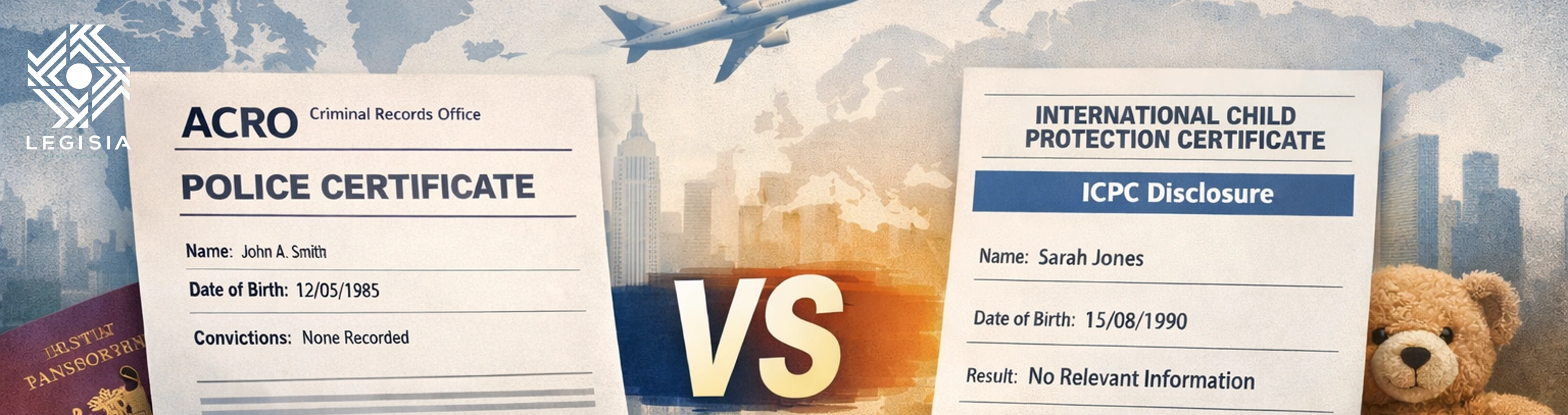
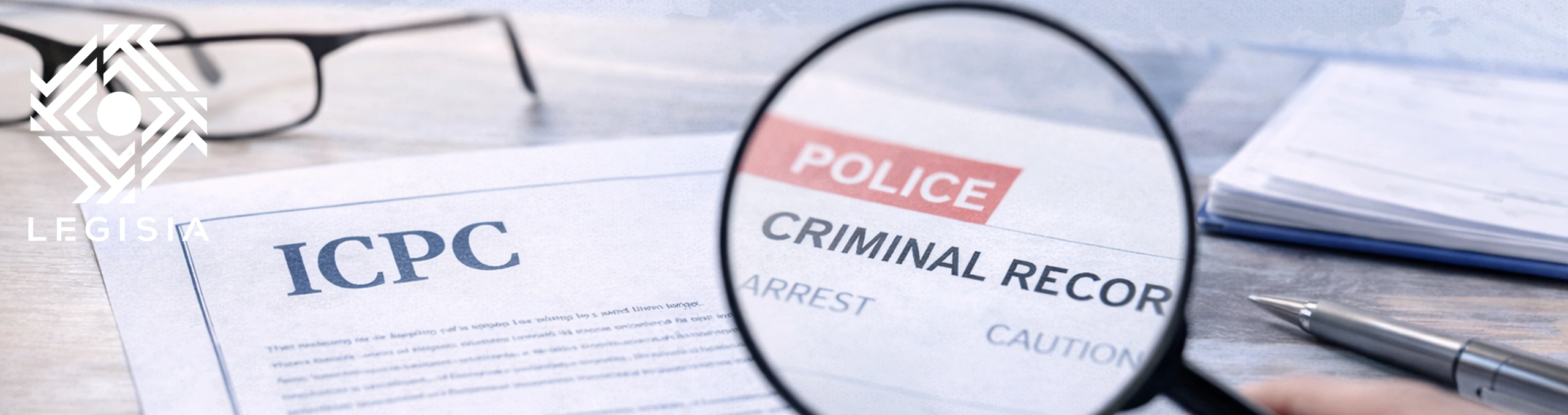
Will a Criminal Record Show on an ICPC?
Mar 4, 2026
What Happens If Your ICPC Affects a Job Offer?
Mar 2, 2026
Can Non-Conviction Information Appear on an ICPC?
Feb 25, 2026

Deleting a Police Caution Before an ICPC Application
Feb 24, 2026

Will a Police Caution Show on an ICPC?
Feb 21, 2026
